ePHC Project, Oyo State
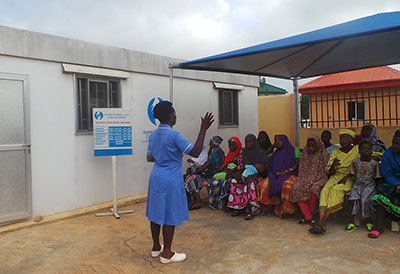
The ePHC (Electronic Primary Healthcare) solution has been successfully implemented in Oyo State, Nigeria. This groundbreaking program was designed specifically to meet the healthcare needs of state residents through digital transformation.
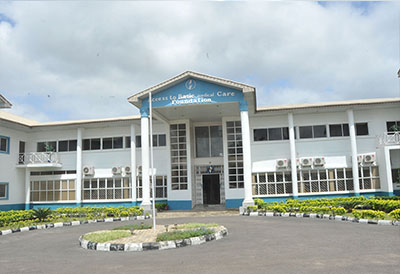
A central healthcare hub was built in the capital city, with 15 clinicsdeployed and fully operational across 12 Local Government Areas (LGAs). Since commissioning, the clinics have attended to over 1,500,000 casesand currently treat an estimated 4,000 people per week across the State.
Commonly Treated Cases & Services
General Healthcare
- Fever treatment and management
- Asthma care and monitoring
- Routine health checkups
Maternal & Child Health
- Antenatal care services
- Childhood immunization (tuberculosis, polio, tetanus, whooping cough, measles)
- Routine deworming for children under 10
Preventive Care
- Health education and awareness
- Disease prevention programs
- Community health outreach
Major Impact to Date
Reduction in Contagious and Preventable Diseases: During visits to the clinic, patients receive comprehensive health education about disease prevention methods. All children under the age of 10 are routinely dewormed, contributing to better overall community health.
Recent data studies have shown a significant drop in the frequency of communicable diseases in areas where ePHC clinics operate compared to other areas without digital healthcare infrastructure.
Healthcare Capacity Development
The ePHC project has created significant job opportunities for local indigenes. Through comprehensive recruitment and induction processes, training needs were identified to bring each staff group up to world-class standards agreed by the Programme Executives.
Regular training programs have been organized and delivered. To date, 20 Doctorsand 250 Nurses have benefited from the training facility at the Hub, increasing their knowledge and improving the welfare of the community.
Technology Infrastructure
Each ePHC clinic is equipped with:
- Electronic Medical Records (EMR) systems for seamless patient data management
- Telemedicine capabilities for remote consultations with specialists
- Low-power computing solutions suitable for rural deployments
- Secure cloud-based data storage and backup systems
- Real-time reporting and analytics dashboards

